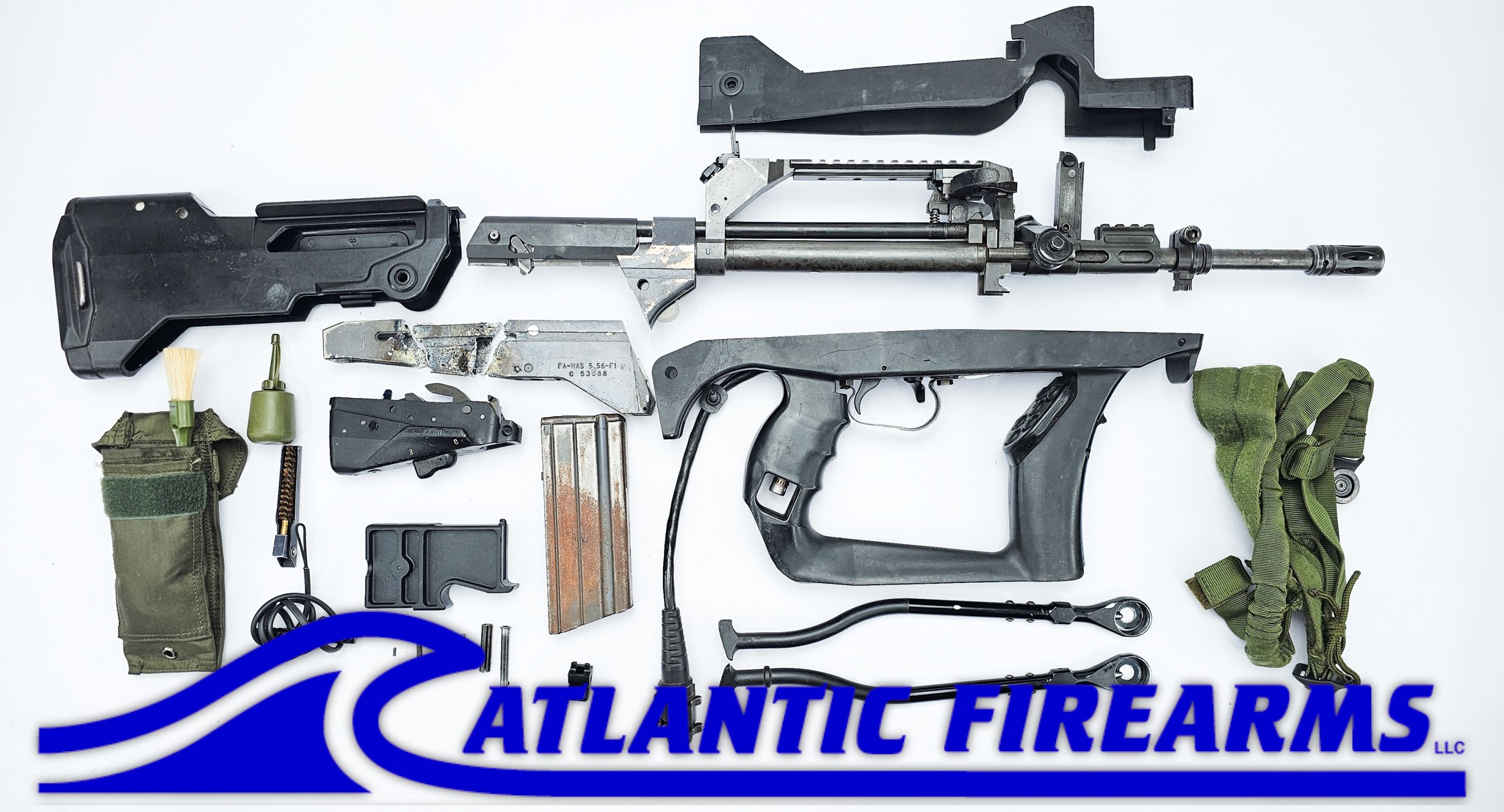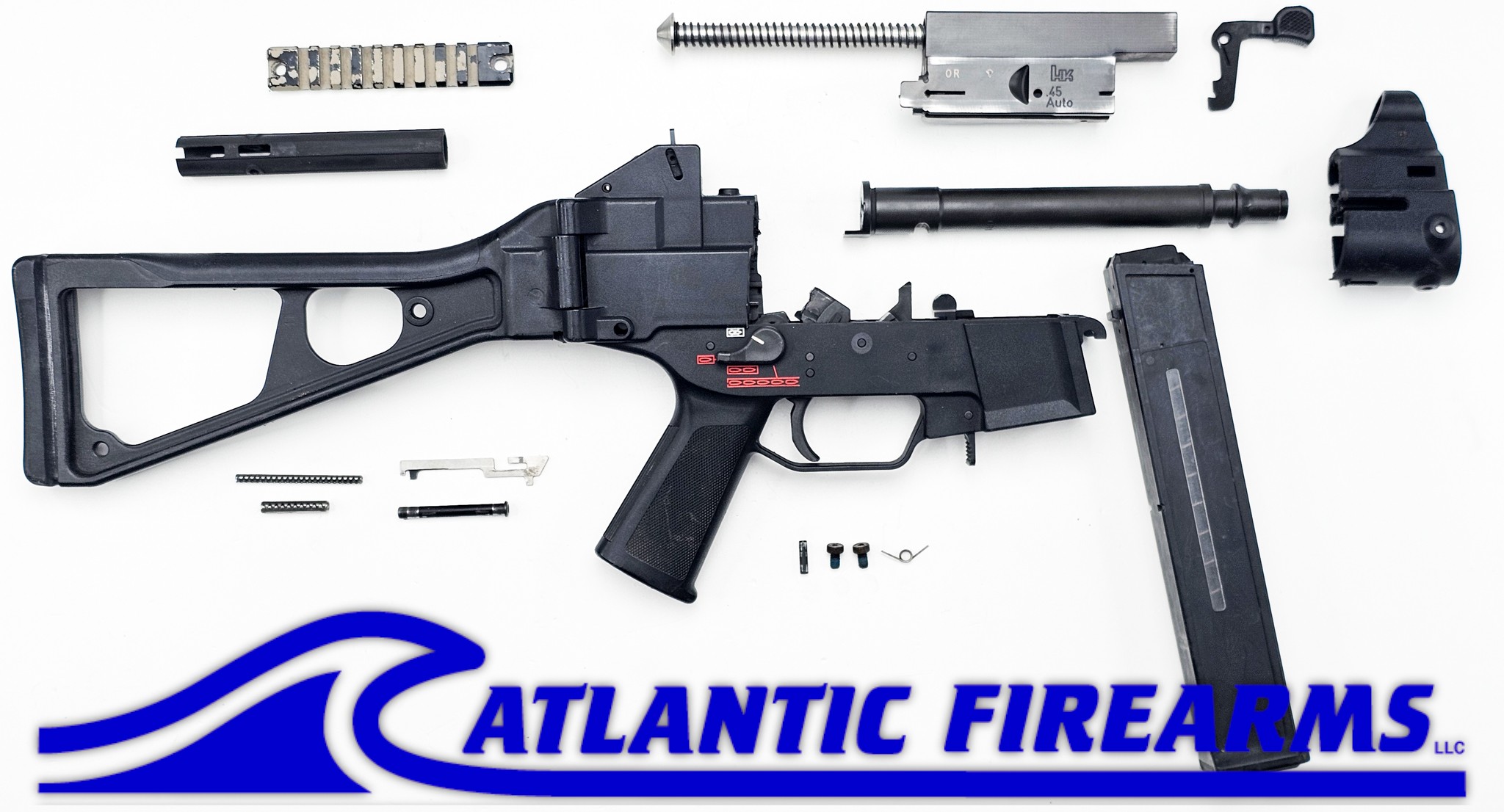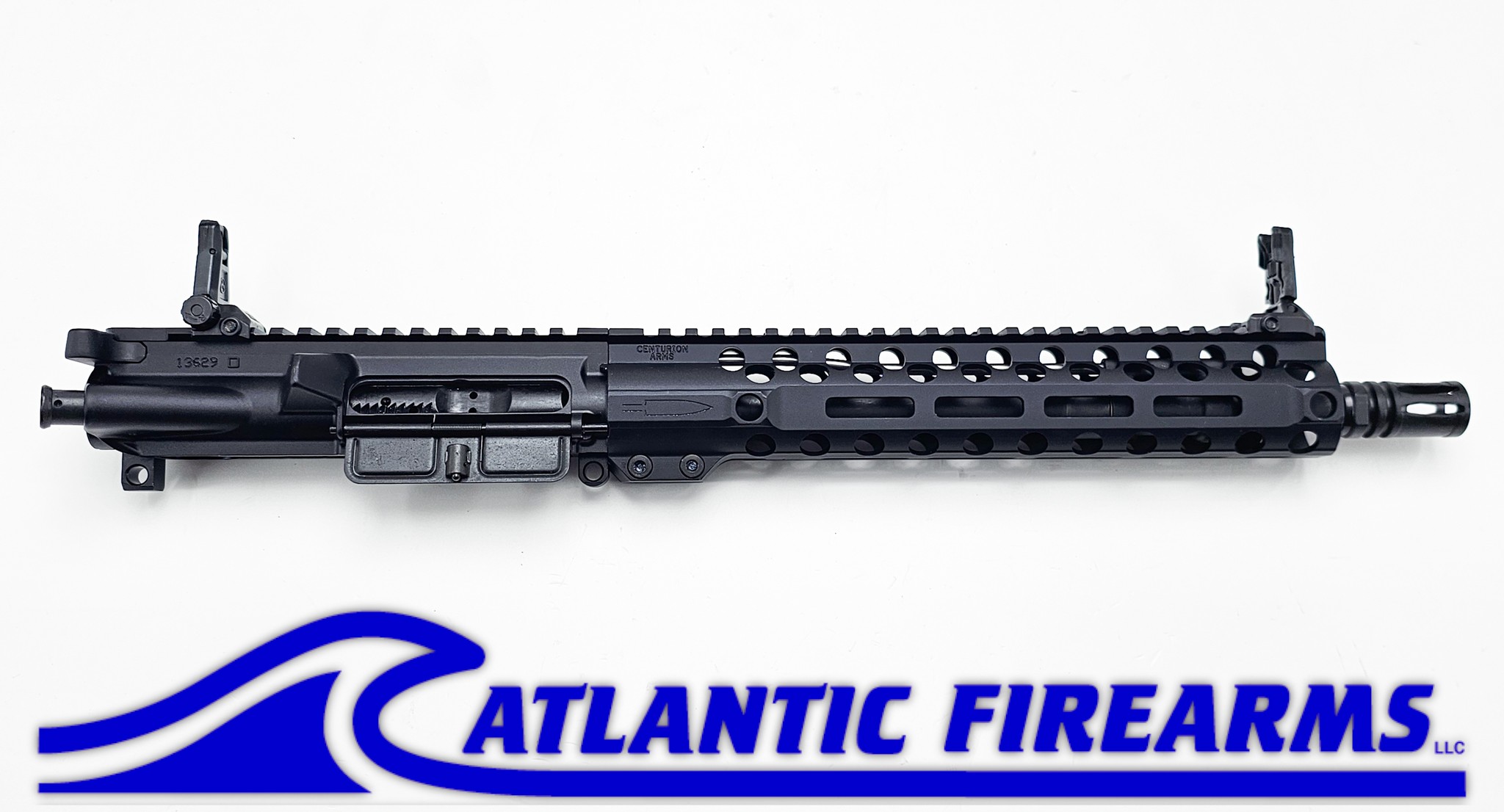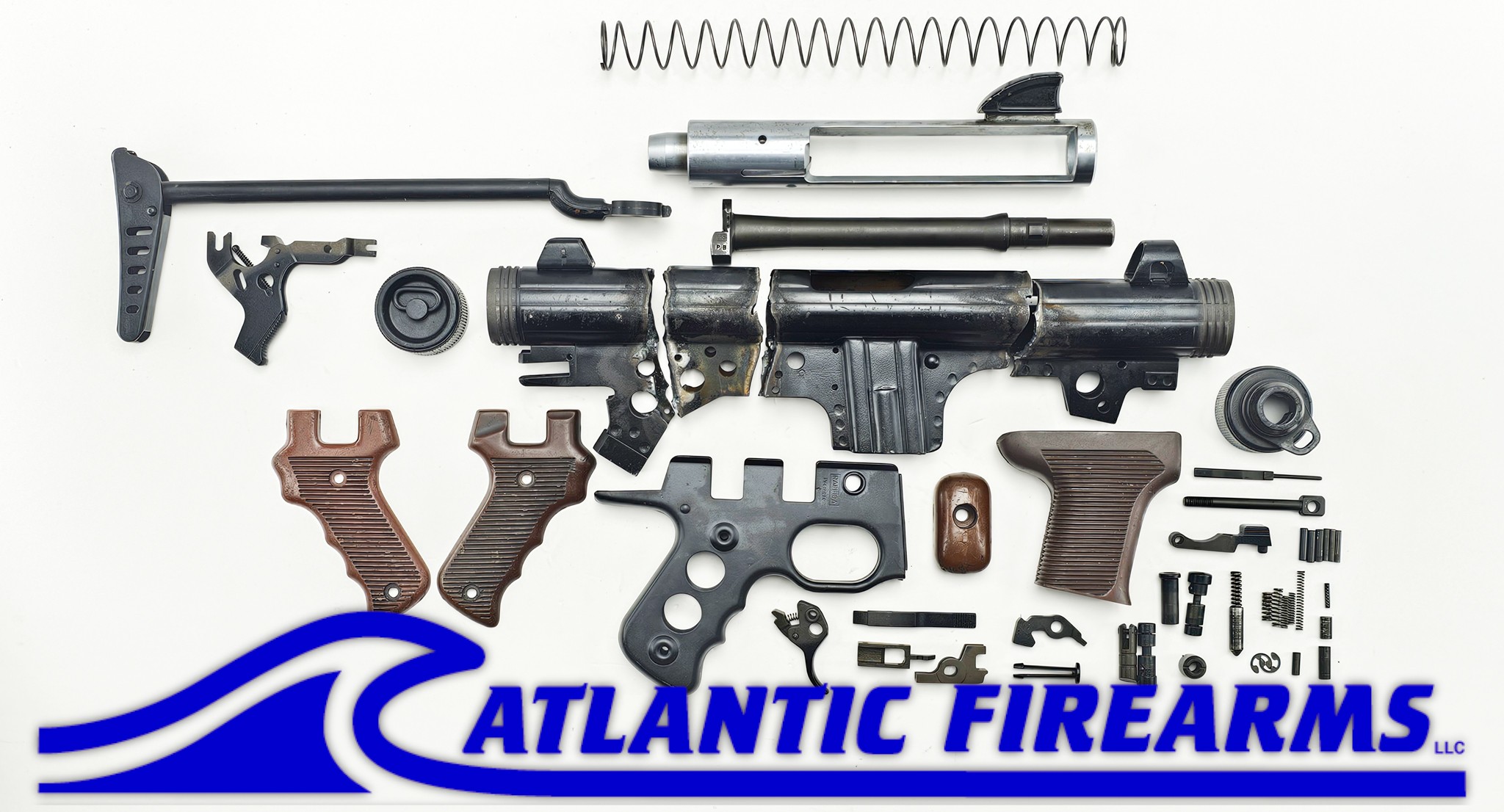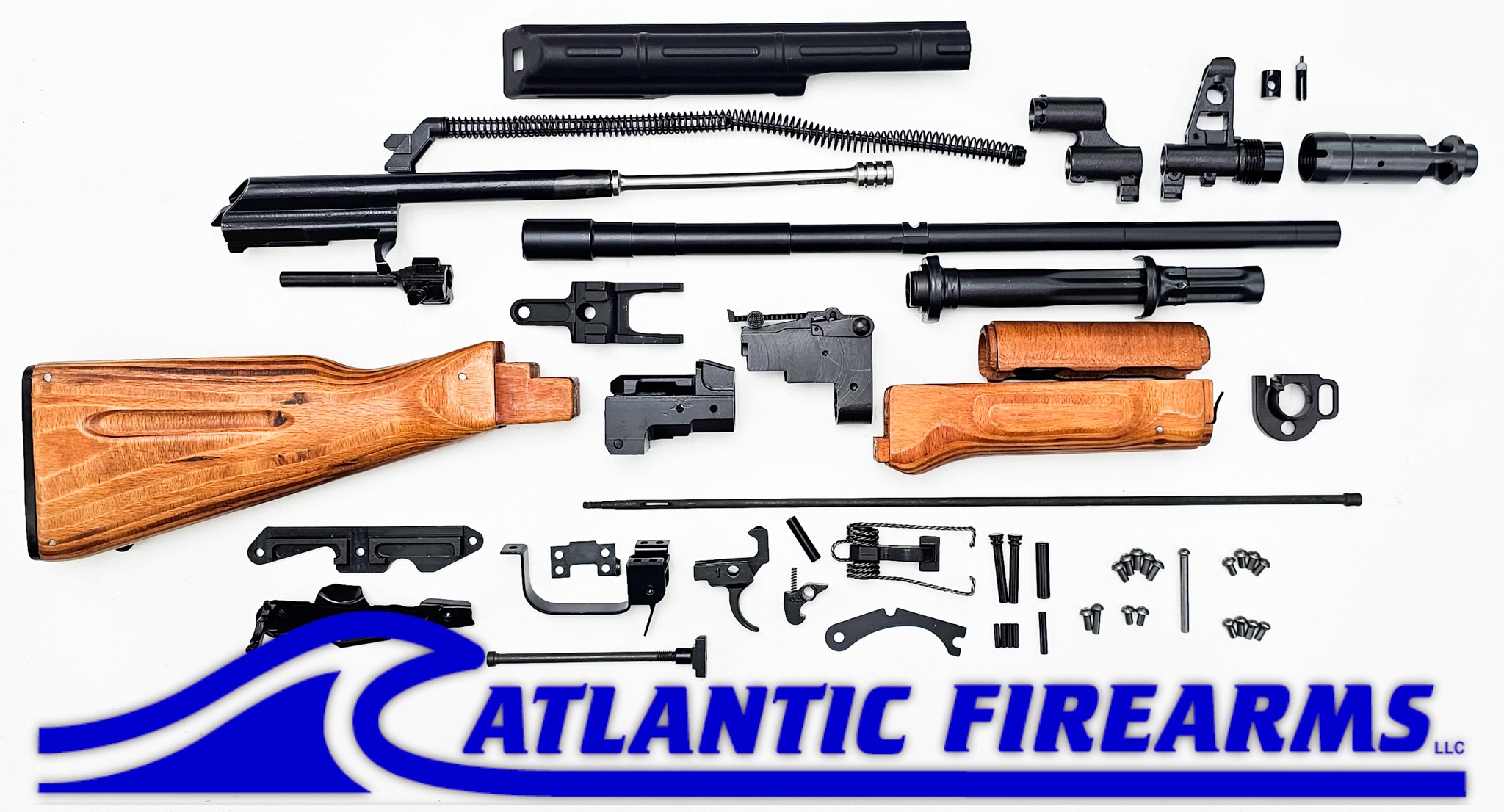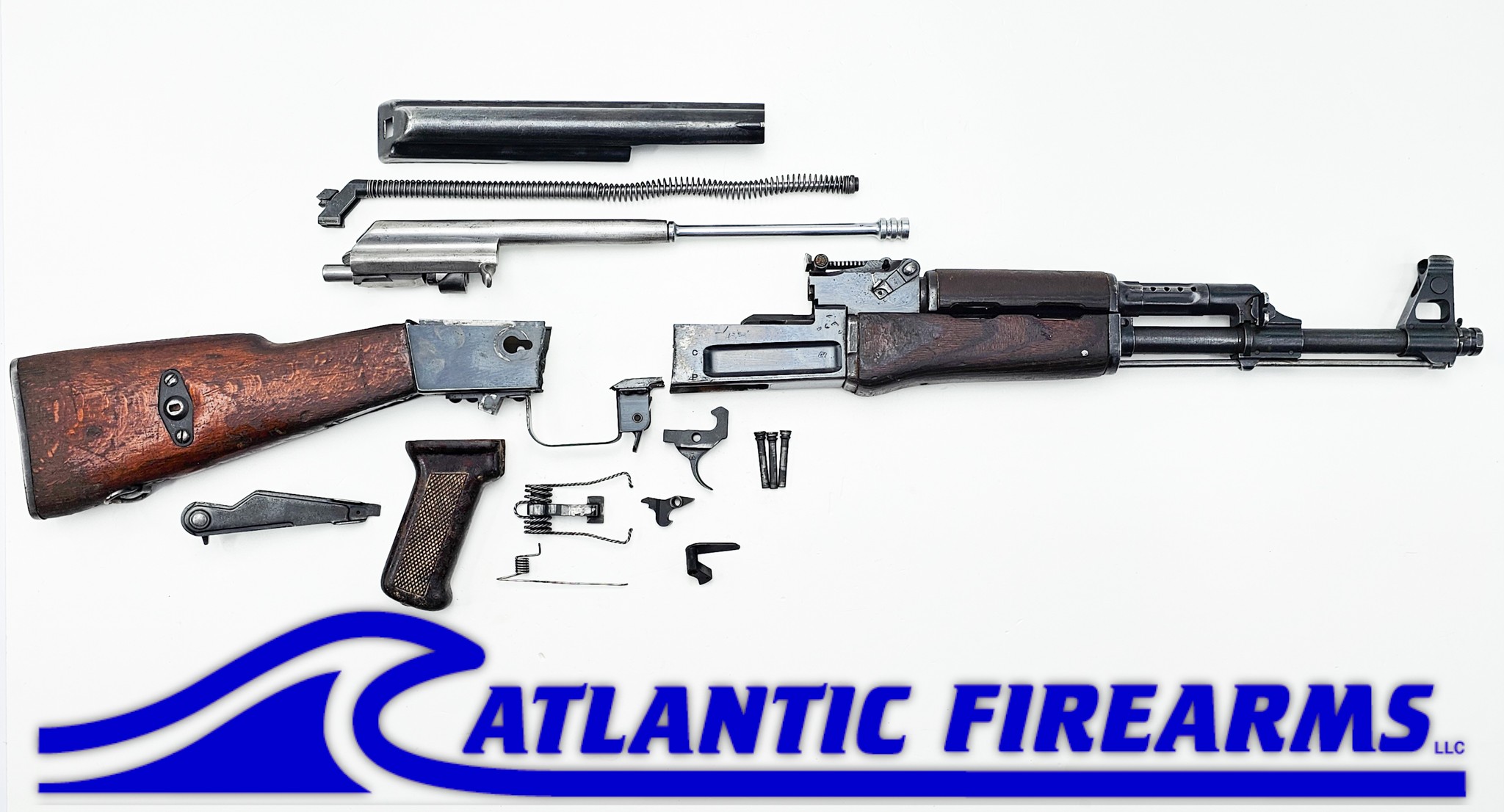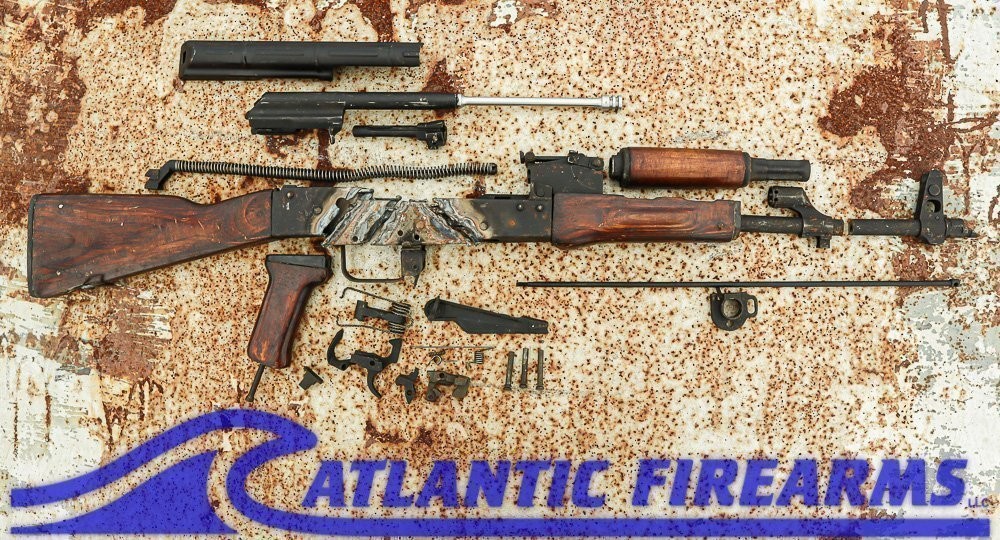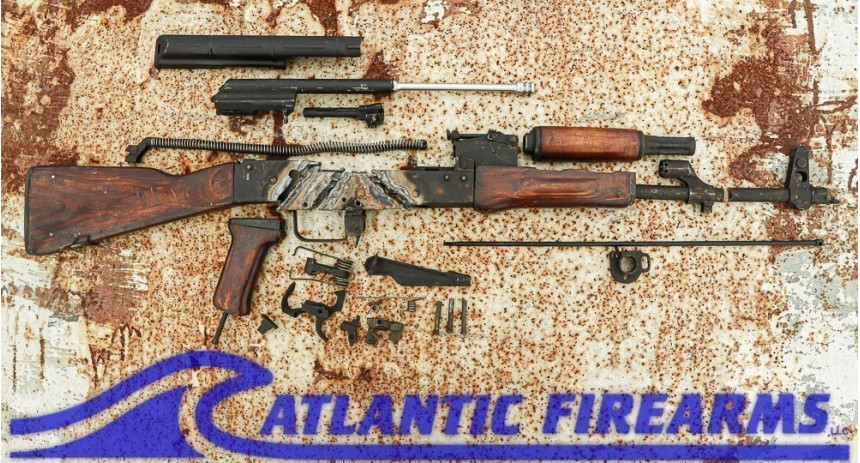
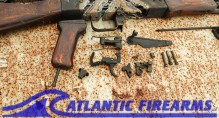
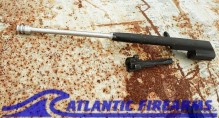
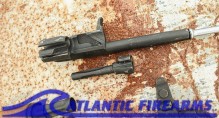
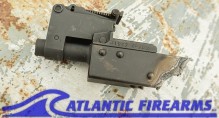
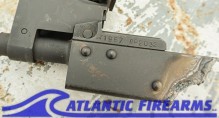
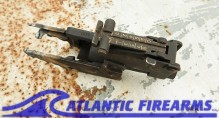
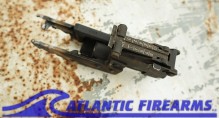
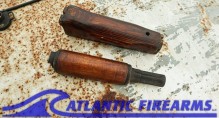
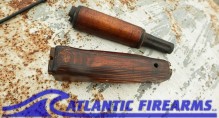
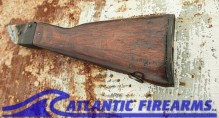

Russian Tula Arsenal AKM Parts Kits are coveted AK 47 rifle parts kits by builders and collectors alike. These kits are the real deal original AKM! You are able to purchase these kits with no FFL license as they are not a complete firearm and can be sent directly to you. Great for collecting or your next semi auto home built rifle. Get yours while supplies last as all AK47 kits are becoming more expensive and hard to find, especially Russian ones. These kits are torch cut and include all the original parts. Years of manufacture will vary as well as stock sets and muzzle devices due to the nature of these kits. Parts Kits are in Very Good condition and will show signs of storage, shipping and possible light surface rust. No special requests.
To finish the kit build you will need to purchase a receiver, barrel, rivets, and possibly other small parts to complete this kit build. We can ship this kit directly to you and no FFL is needed. Please make sure you comply with any Local, State or Federal laws with your project. All parts kits are sent Signature required to guarantee delivery. FFL not required, this is not a complete firearm. Due to demilling and shipping the kit, the wood stock set and metal parts may show dings, gouges,wear and scratches.
Brief History:
Imperial Tula Arms Plant is a Russian weapons manufacturer founded by Tsar Peter I of Russia in 1712 in Tula, Tula Oblast as Tula Arsenal. Throughout its history, it has produced weapons for the Russian state. Its name was changed from Tula Arsenal to Tula Arms Plant during the Soviet era. Originally, the plant was created to provide arms to the citizens of Tula in order to defend against nomadic invasions. Most of Russia's weapons were produced in Moscow and they needed another manufacturer closer to Tula. The plant was created by decree by Peter the Great in 1712. The factory was equipped with then progressive equipment such as: water machines, "trochanteric" machines for drilling shafts, grapes, hammers, machines for "scrubbing" - exterior and interior finishes etc.
Later Tula Arms Plant was recognized as setting the standard for Russian Arms Production. In 1720 the plant produced 22 thousand light infantry and dragoon rifles as well as flintlock pistols for the Russian army. In 1749, the plant started mass production of edged weapons: knives, sabres, broadswords, and swords. In the 19th century Tula Arms Factory was reconstructed and became one of the most prominent arms factories in Europe. In 1879 the plant started production of the famous Berdan rifle with an improved bolt. Increased production of various products: single- and double-barrel muzzle-loading shotguns, breech-loading center-fire rifles. Designer Sergei Ivanovich Mosin took part in devising damascus steel technology used in production of barrels. In 1891, as a result of complex tests Mosin's entry was chosen over the Belgian design and it was adopted by the Imperial Russian Army as the three-line rifle of 1891.
In 1910 the factory started production of the Maxim machine gun. In 1920s and 30s the plant had developed and produced a range of different firearms, such as the .22 caliber single-shot cadet rifles TOZ-1, TOZ-2, TOZ-7 and TOZ-8. They also made the Model P and TOZ-10 shotguns, as well as the NK-8,2 carbine (designed by Kochetov).
In 1927 planning and design office was established in order to improve the work of all of the plant's designers, the result of which was the development of aircraft machine guns - PV-1 and ShKAS. Between 1927 and 1938 the plant built the country's first spinning machines. Between 1932 and 1939 the plant mastered the production of milling machines, and started to massively produce three models of them (versatile, horizontal and vertical). In 1939 Fedor Tokarev (rus. ????? ?????????? ???????) created a self-loading rifle SVT-38, which served as a basis for the SVT-40. In the years 1927–1939 besides producing SVT-38 rifles, UB and ShKAS machine guns, the factory also produced B-2 cannons.
During World War II, Axis countries invaded the USSR as part of Operation Barbarossa. By December 5, 1941, the German 2nd Panzer Division had advanced to within a few kilometers of Tula, forcing the Soviets to evacuate Tula Arms Plant. As a result, far fewer weapons were produced there than at other Soviet factories such as Izhevsk Mechanical Plant. Consequently, Tula weapons of World War II are considered more valuable by collectors.
In 1941-1945, working under the slogan "Everything for the front, everything for victory", Tula gunsmiths produced Mosin–Nagant 91/30 rifles, SVT-40 self-loading rifles, ShVAK aircraft guns, Nagant revolvers and Tokarev pistols. Tula was strategically important to the Soviet Union during the Cold War. Significant ore deposits were situated relatively close to it and it had access to ample transportation routes like the Upa River and many rail lines coming in and out of the city. During the Cold War the plant also produced the Simonov SKS carbine.
During 1960s–1980s, the plant received an order for production of the world-famous Kalashnikov assault rifles (six variants), anti-tank guided missiles - 9M14 Malyutka, 9M133 Kornet, 9M113 Konkurs and the Bonfire underslung grenade launcher. It also began producing the TOZ-35 competition "free pistol" used in 50m pistol events at the Olympics.
Condition Standards for Antique/Surplus Firearms (As defined by the National Rifle Association)
The process of grading and inspecting surplus firearms is very subjective and involves numerous details. We always try our best to be as accurate as possible, but we do not inspect firearms and rely on the rating provided by the importer. It is important with the nature of surplus firearms that it be thoroughly cleaned and inspected before use, preferably by a knowledgeable and trained Gunsmith. Please make sure that you are using the correct ammo for the firearm and understand the safe operating procedure.There is no warranty or returns offered on surplus firearms unless otherwise agreed upon in writing by email with sales@atlanticfirearms.com.
Please Note: All ammo should be considered possibly harmful to your firearm. You should always clean and oil your firearm after shooting to prevent any issues.